
Previous Game
Heredity | 2023
In Heredity, players control Riley, a teenage girl who discovers a hidden passage in her family’s mansion. With her brother, she must survive a night of lurking dangers and uncover their family’s dark secrets. This game was my graduation project for the Digital Game Design Bachelor’s Program at Istanbul Bilgi University, where my team of 4 achieved a perfect grade after presenting the final game. The project went through continuous iteration and multiple showcases and was really challenging yet teaching for me as the sole technical member of the team.


1 Semester | 4 Students
Gameplay, Narrative & Cinematics Designer
Third Person, Horror
Unreal Engine 5 | PC


- Contribution -
- Narrative -
Our game aimed to blend elements of psychological horror, family trauma, and supernatural mystery into a compelling narrative and chilling atmosphere.
Moodboard


As a team, we drew a lot of inspiration from Until Dawn for its approach to storytelling, while Resident Evil influenced our supernatural elements, third-person gameplay, and camera angles. We also used Stranger Things as a reference on how our parallel universe felt.
Plot & Writing Process


I wrote a story with scoping, constraints, and team strengths and weaknesses in mind.

I used Replica Studios, to create the dialogue audio files.

I generated basic lip sync animations from the audio files by using MetaHuman SDK.


In-Game Cutscenes
When working on this aspect of the game, I treated it like a film, especially when it came to the camera angles. I had a lot of inspiration and theory from the film lectures I was taking in university alongside my game design studies. In some scenes, I went with warm, welcoming angles, while in others, I aimed for something more unsettling and uneasy.
To build more tension and make things feel creepier, I used a trick I picked up from watching horror and thriller movies. It’s where the camera acts like the monster, killer, or stalker hidden and watching. So, I often framed shots as if they were peeking from behind a tree, through a window, or out the dark.
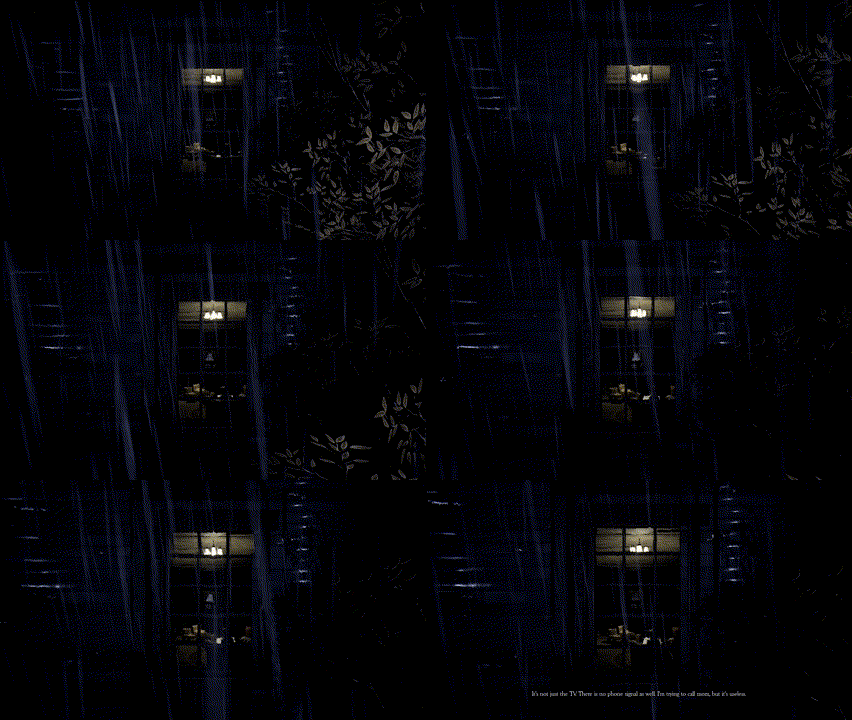
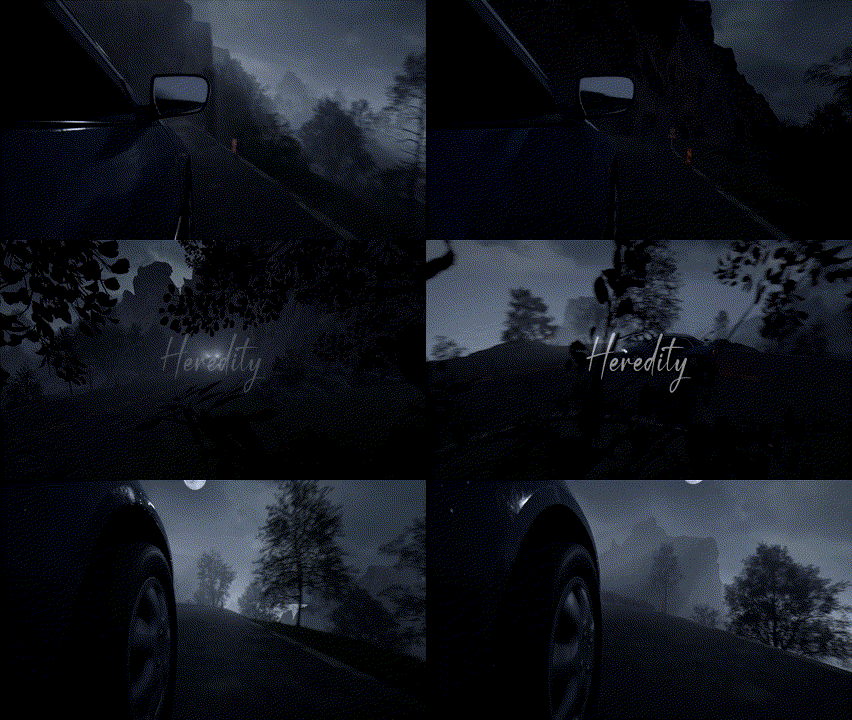
I used the sequencer to animate camera movements, manage other actors in the scene, and play animations on them.
- Gameplay Design -
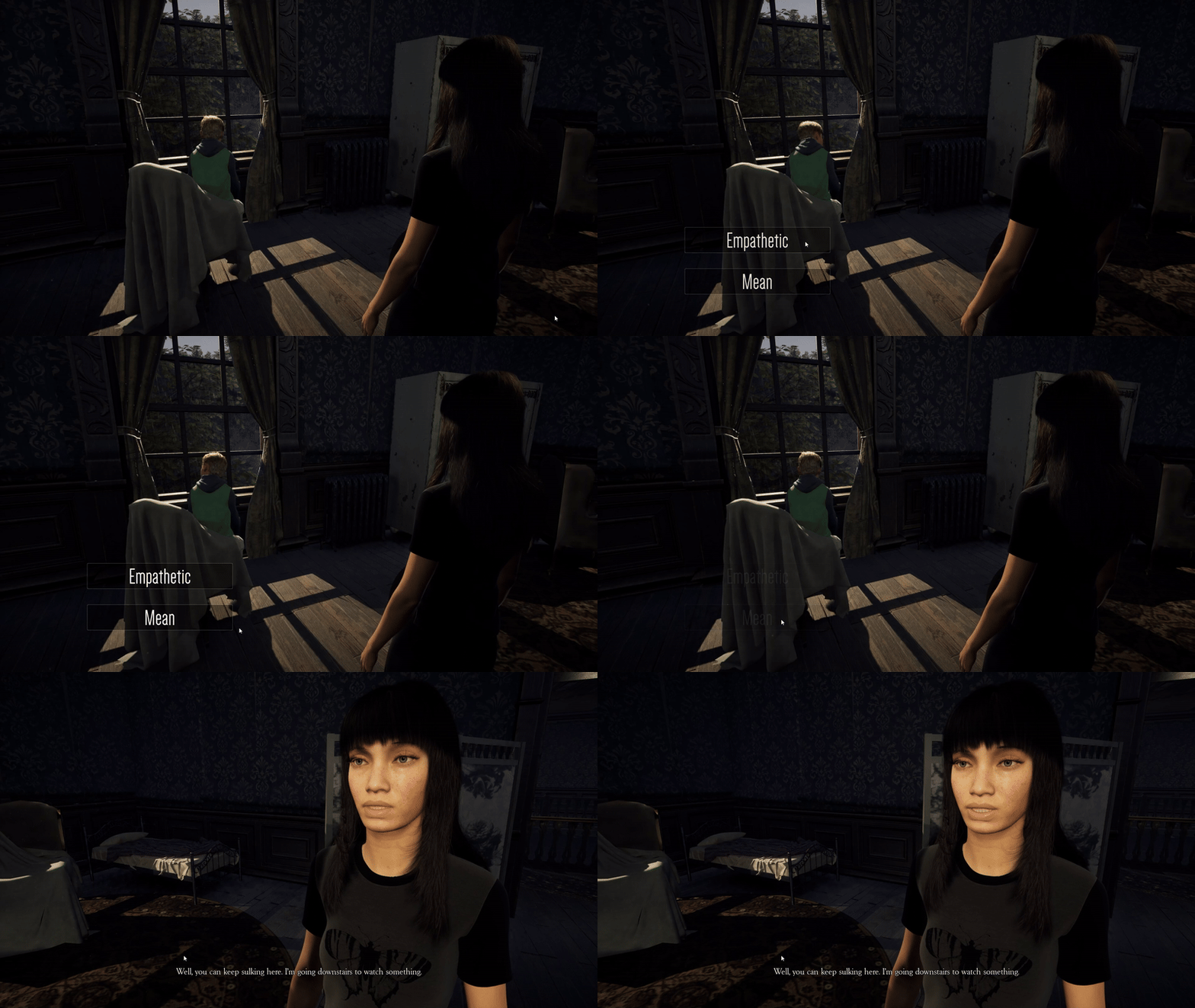
Choice based dialogue which affect the response of the other character as well as creating an opportunity to discover the relation between characters in other angles, by choosing to be compassionate, mean, empathetic etc.
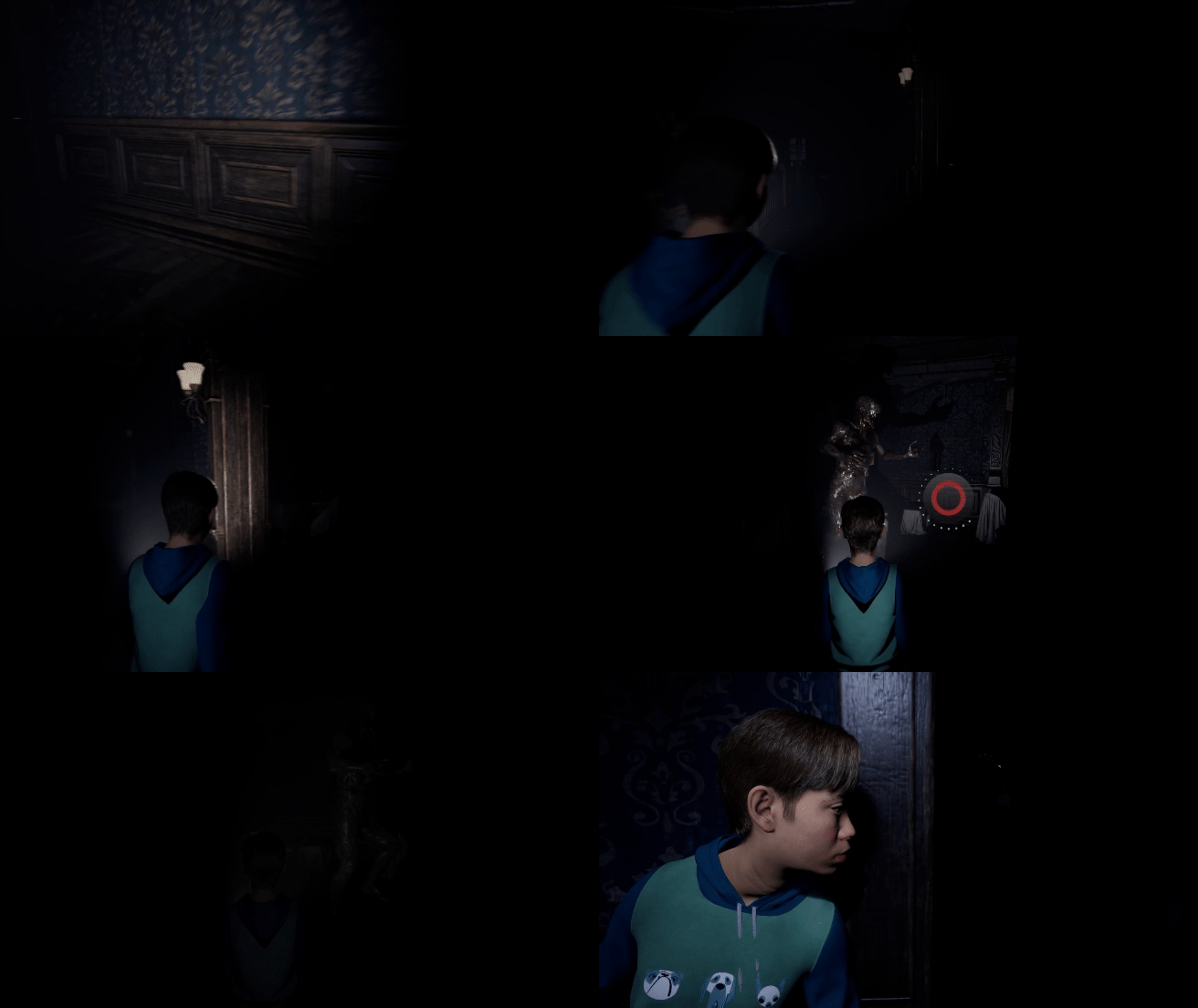
Quick Time Event, designed to immerse the player in the character's shock and sudden decision-making, creating a direct connection between the character's in-game experience and the player's reaction.
In the final week of the project, I felt the game needed a more action-packed ending to leave a lasting impression on players. To achieve this, I designed an intense scenario where the player confronts the creature .
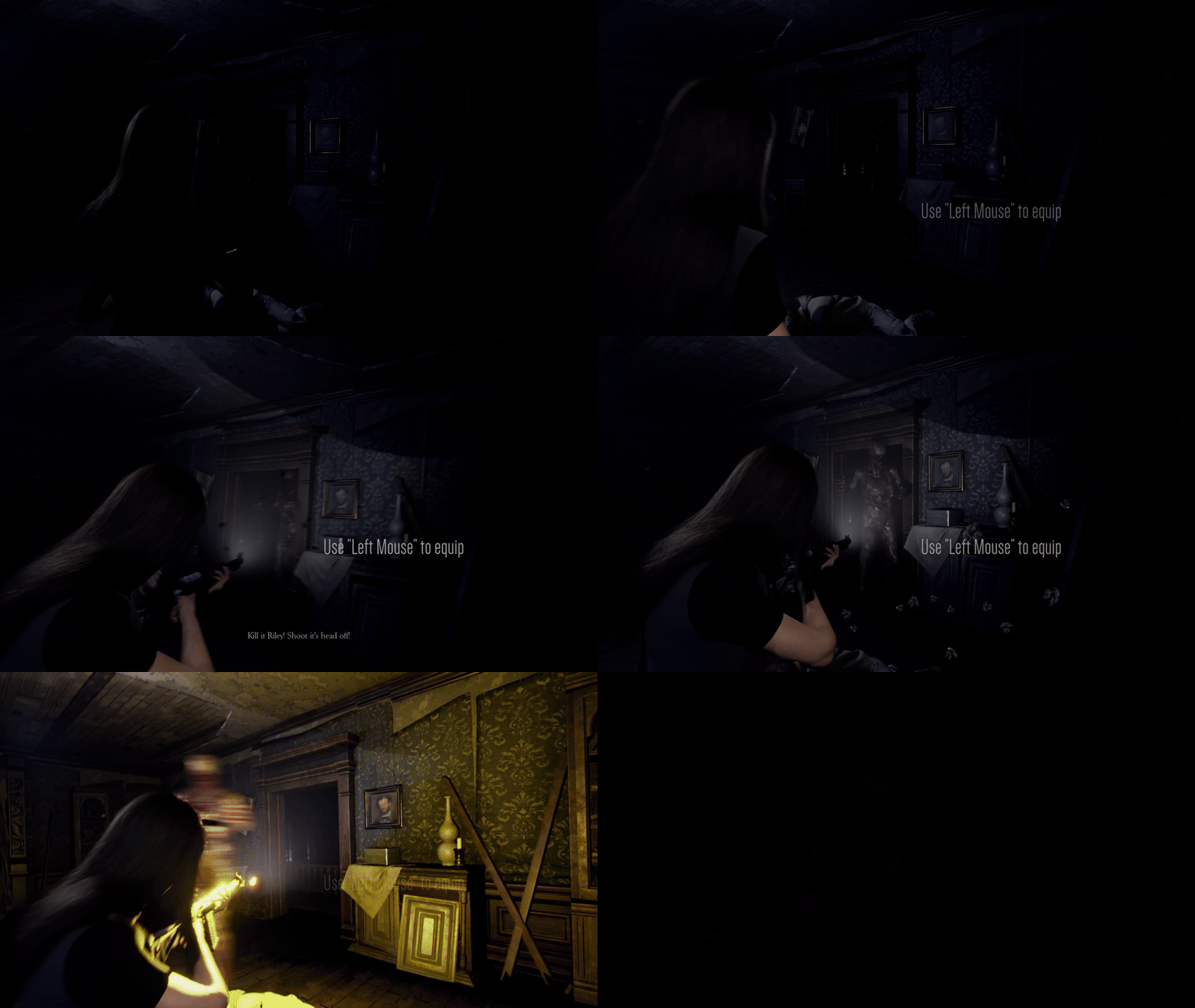
The main character is a teenager who has never used a rifle before. As a result, the shooting needed to feel impactful and difficult to control, intimidating, even. To keep players in the character's shoes, no crosshair is provided, making aiming intentionally challenging.
The rifle is old and poorly maintained, it has been sitting in an abandoned mansion for years, likely rusty and unreliable. Firing it needed to feel slow, loud, and smoky, reinforcing its age and condition.
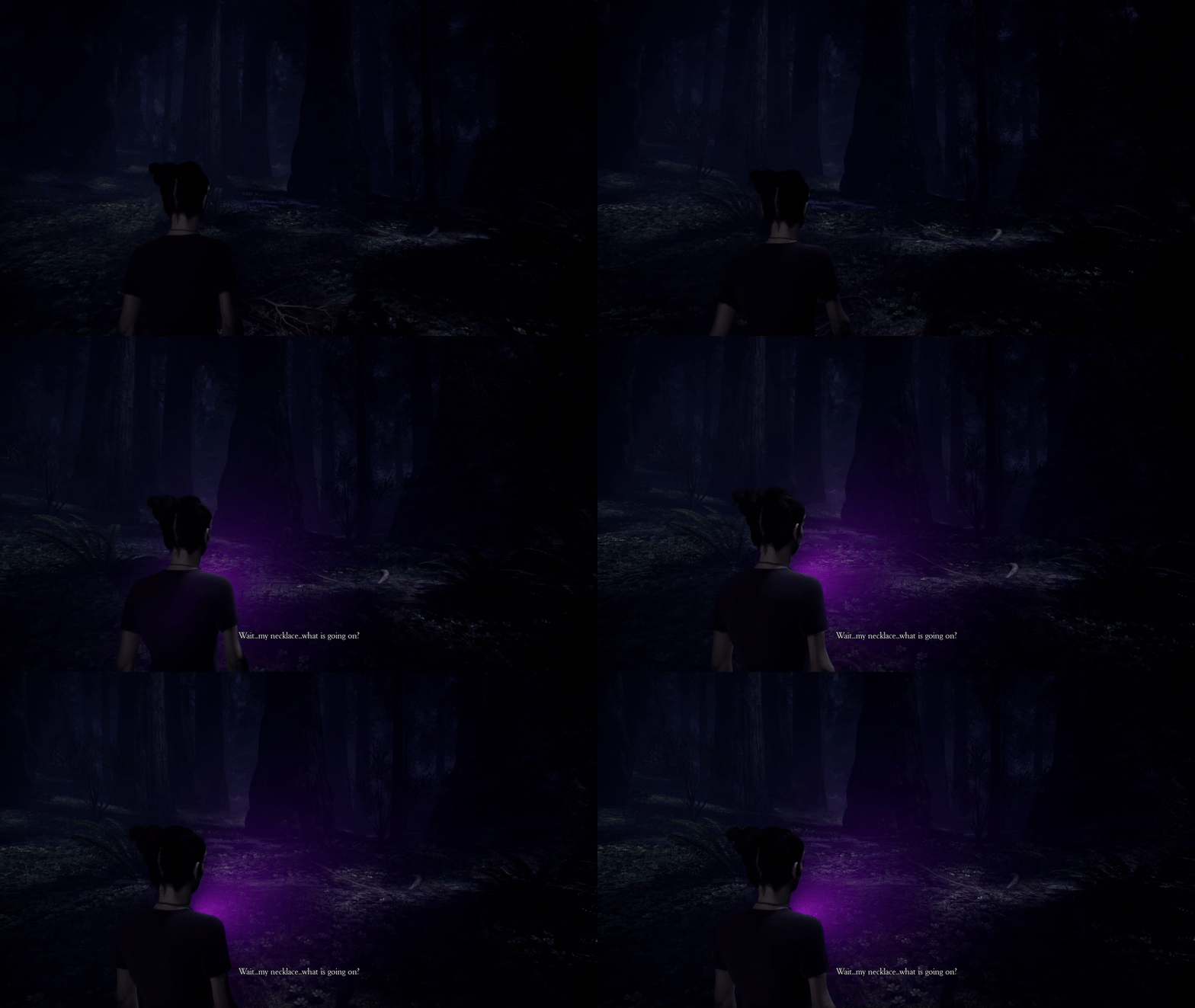
Additionally I created a story-driven mechanic centered on the main character's heirloom necklace which plays a pivotal role in the narrative by connecting different timelines and characters in the game. The necklace is also linked to the game's creature, emitting light when danger or the objective is near, it serves as both a guiding and warning tool.
Camera / Character / Controls
While working on the 3C's, I focused on keeping the controls deliberately simple and intuitive, allowing the players to concentrate on the narrative. Together, I hope the 3C's created a cinematic and emotionally gripping experience, where different elements work in harmony to immerse players in the story.
Smooth, natural movement plays a critical role in maintaining immersion. Instead of action-packed animations that might break the atmosphere, the pacing encourages players to take their time, fostering a sense of journey and exploration.
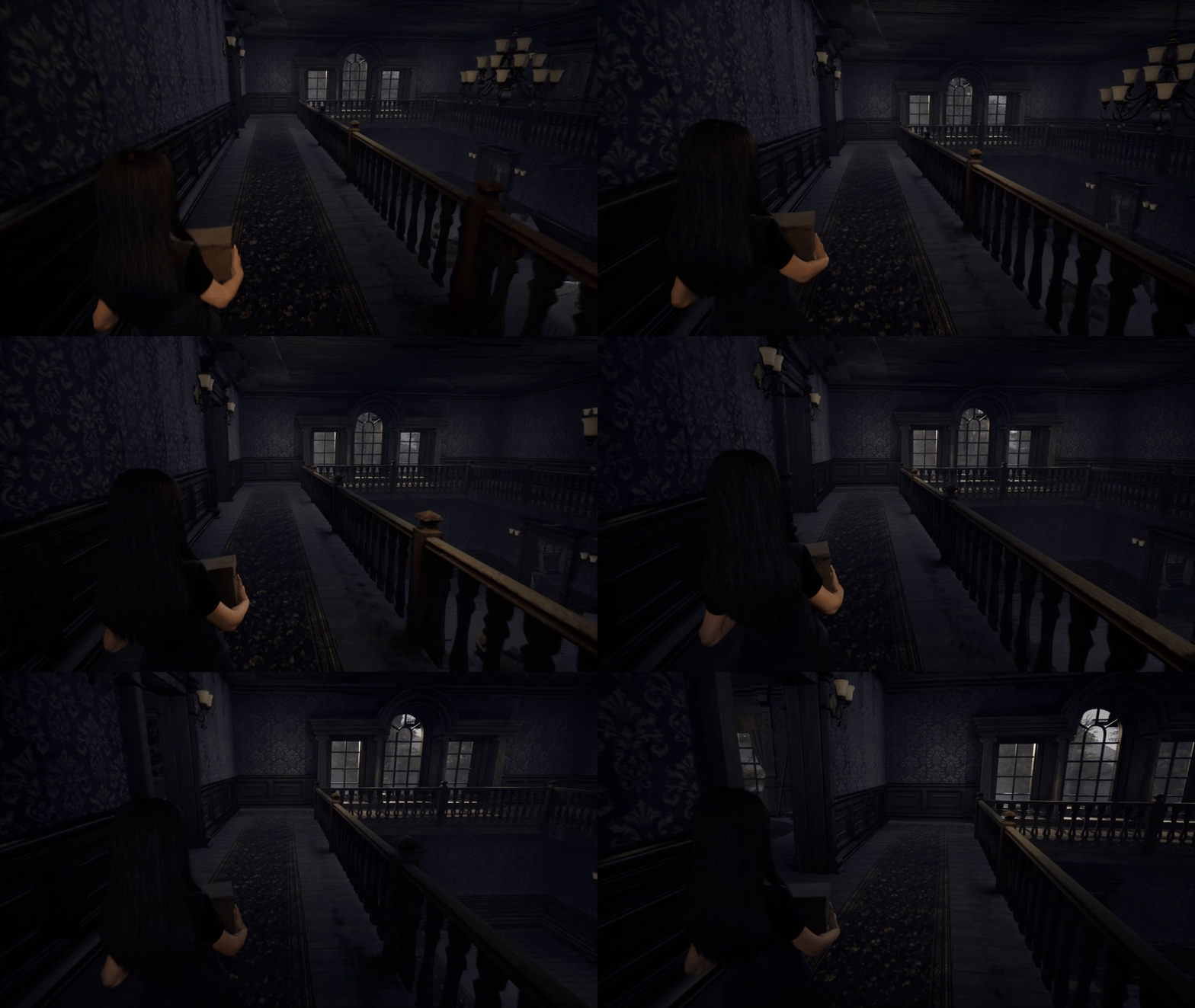
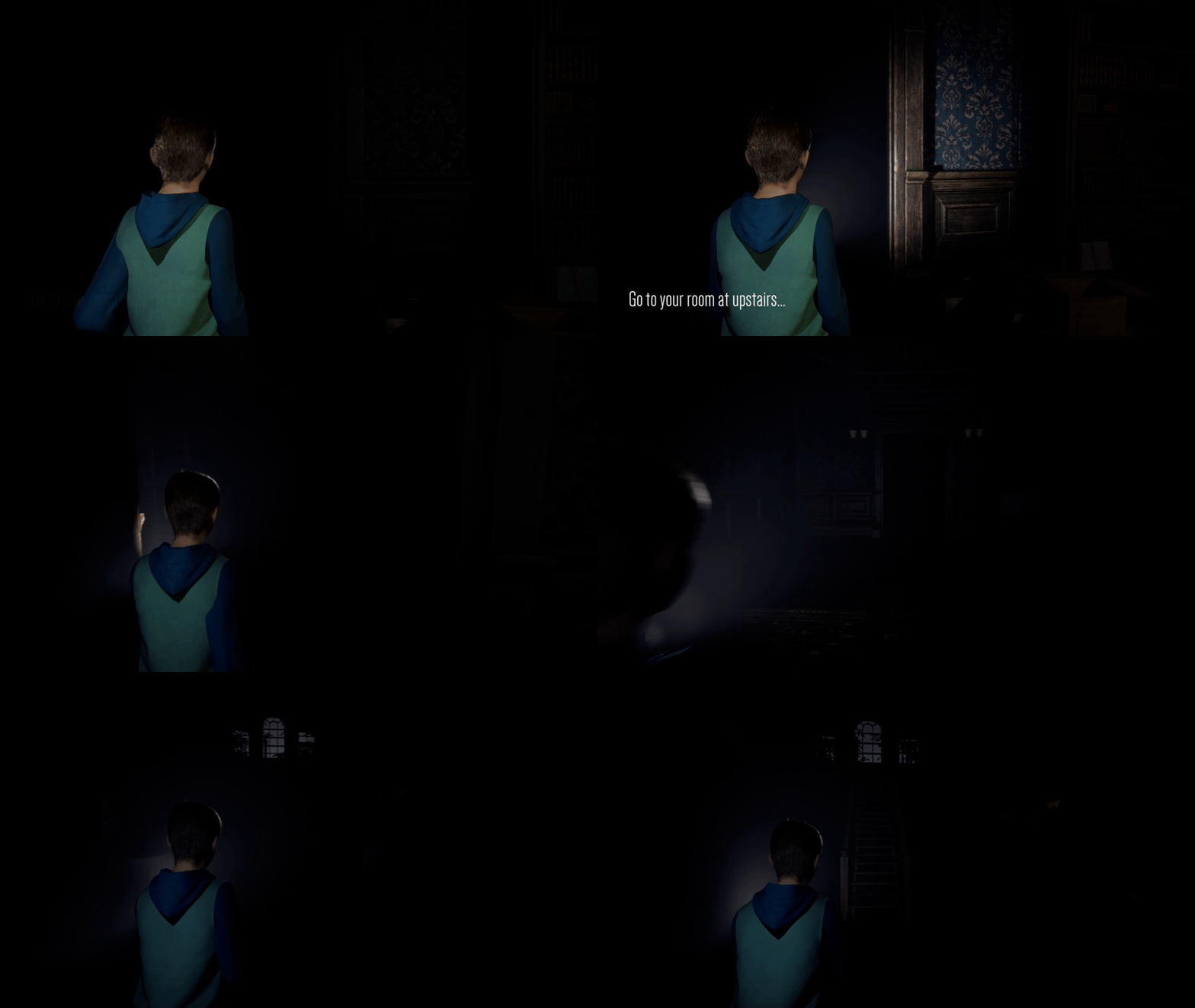
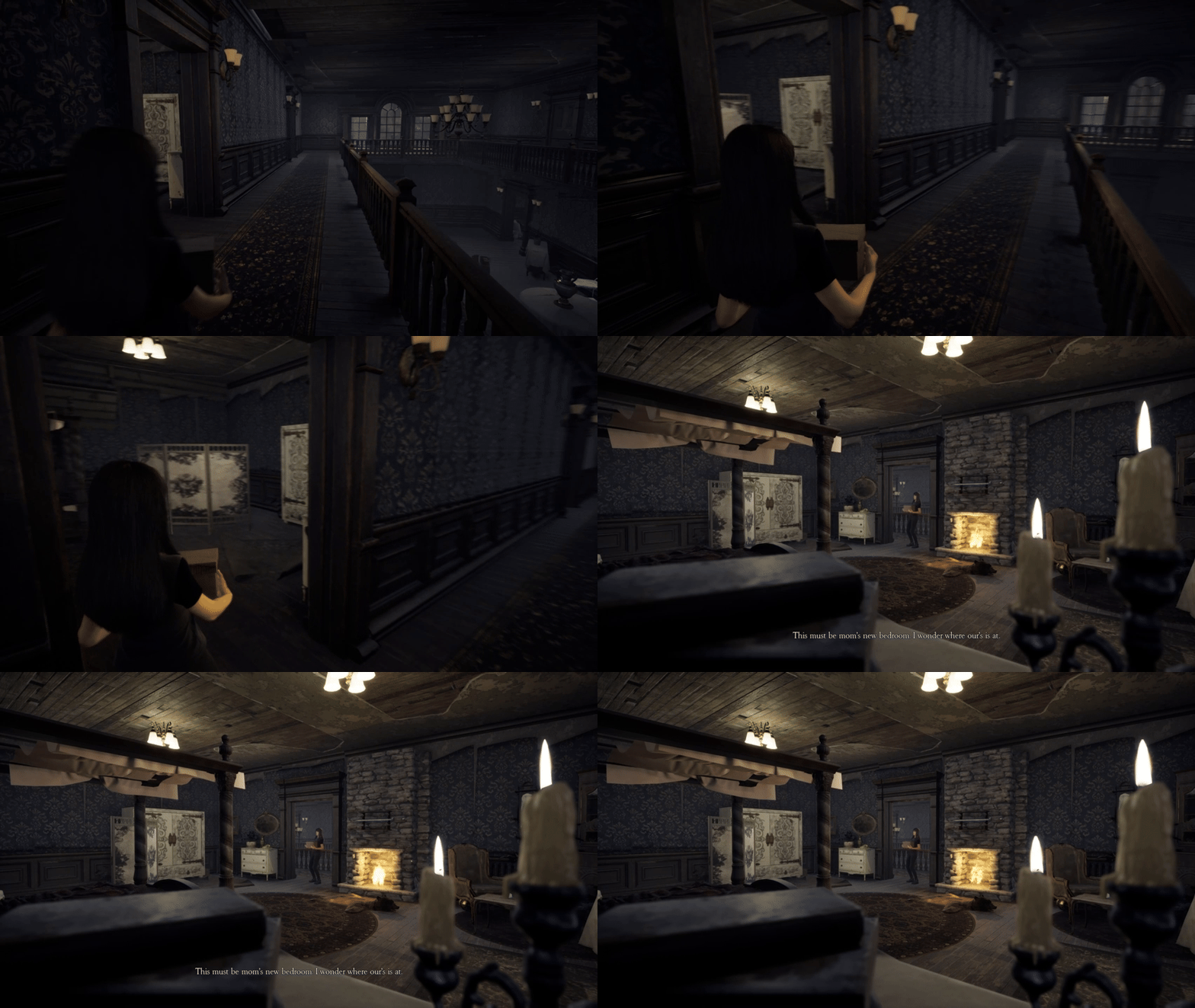
This is further enhanced by the deliberate interplay between the camera and the environment, revealing details and foreshadowing as players explore the house at the start of the game with fixed camera angles that evoke the essence of classic horror films.
Due to time and resource constraints, as a team we quickly realized we wouldn’t be able to create many levels that utilized complex mechanics. However, we were determined to include meaningful interactions to prevent the game from feeling like just a walking simulator. So we decided to focus on common features and loops that define interactive film genre, such as simple interactions, choice-based dialogues, and quick-time events.
